Dental anxiety is common, and you don’t have to push through it alone or avoid the dentist because of it. Many dental offices can adjust how they communicate, slow down treatment, and discuss comfort or sedation options depending on your needs. The right approach depends on your anxiety level, the procedure, and your medical history, so it’s worth raising your concerns with a dental office before you book anything. This guide covers what dental anxiety is, how sedation works in general terms, and what to ask before choosing care in Beverly, MA.
Quick Answer
Dental anxiety can be managed through open communication, a comfortable treatment approach, and, when appropriate, sedation options. The right option depends on your anxiety level, procedure, medical history, and your dentist’s evaluation. Discuss your concerns with a dental office before treatment to understand what’s available to you.
What Is Dental Anxiety?
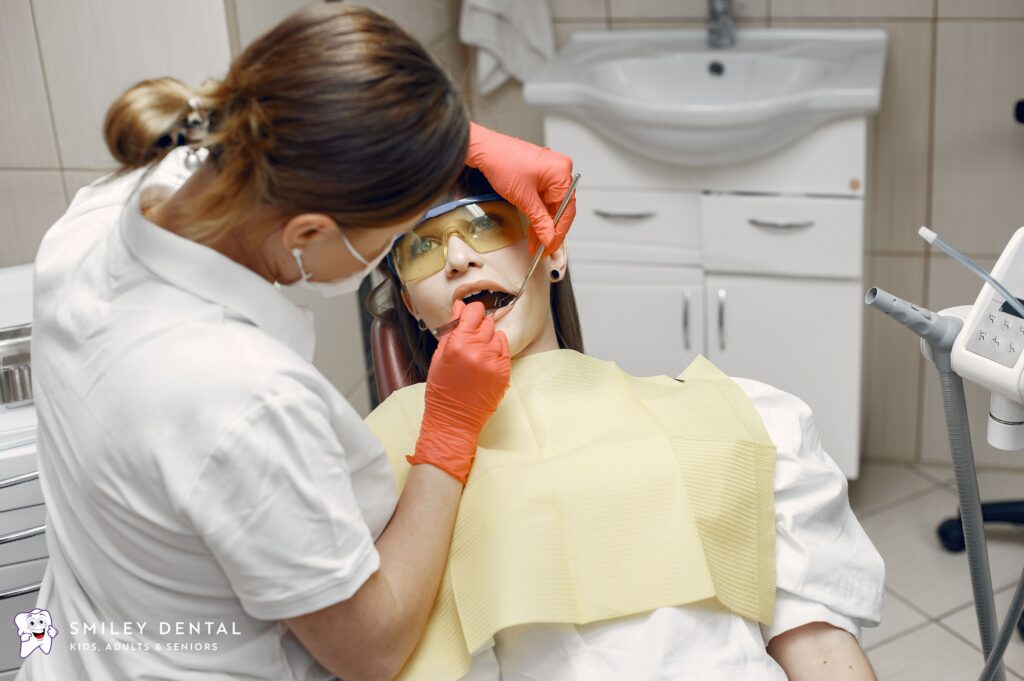
Dental anxiety ranges from mild nervousness to severe fear that leads someone to avoid dental care altogether. Common triggers include fear of pain, fear of needles, fear of dental instruments or sounds, a feeling of losing control while in the chair, embarrassment about the state of one’s teeth, previous negative dental experiences, and fear of receiving bad news about a diagnosis. None of these reasons are unusual, and dental teams that work with anxious patients regularly encounter all of them.
How Can a Dentist Help With Dental Anxiety?
A dental office may support anxious patients in several practical ways, though not every office offers every measure: listening to concerns without judgment, explaining a procedure step by step before starting, answering questions along the way, taking breaks when needed, and agreeing on a stop signal. Some offices start with a consultation before any treatment and discuss sedation options when appropriate. Ask the specific office which of these approaches they use.
What Sedation Options Are Used for Dental Anxiety?
Sedation dentistry generally falls into a few broad categories, though not every dental office offers every type.
- Minimal sedation helps a patient feel relaxed while remaining awake and responsive.
- Moderate sedation produces a deeper level of relaxation and requires appropriate professional monitoring.
- Deep sedation involves a greater level of sedation and requires additional training and monitoring from the dental team.
- General anesthesia is different from routine dental sedation, involving a much deeper state of unconsciousness, and is typically reserved for specific situations.
Which category, if any, is appropriate depends on your evaluation with a dentist, not a general description like this one.
What Is the Most Effective Sedative for Dental Anxiety?
There is no single sedative that is most effective for every patient. What works well depends on factors such as the severity of your anxiety, the type and length of the procedure, your medical and dental history, current medications, your age, overall health, and any previous experience with sedation. Your dentist can evaluate these factors together with you and recommend an approach suited to your specific situation.
What Is the Safest Sedation for Dental Work?
Safety depends on the individual patient, not a single sedation method. A dentist will typically consider your medical history, current medications, allergies, and existing health conditions, along with the type of procedure and the depth of sedation being considered. Proper monitoring during treatment and following pre- and post-treatment instructions both play a role in a safe experience. Discuss this with your dental professional rather than assuming any one method is universally safest.
How Do I Go to the Dentist With Severe Anxiety?
- Tell the dental office before your appointment. Let them know you experience severe dental anxiety so they can plan accordingly.
- Explain your specific fears, whether that’s needles, pain, the sound of drilling, past experiences, or the feeling of being unable to stop treatment.
- Ask about comfort options the office can offer during your visit.
- Discuss sedation and whether it may be appropriate for your planned treatment.
- Agree on a stop signal, like raising a hand, so you can pause treatment if needed.
- Start with a consultation if your anxiety is severe. Talking through concerns before any treatment begins can make the process easier.
How Can I Find a Dentist in Beverly Who Treats Patients With Severe Dental Anxiety?
Look for a dental office that discusses anxiety openly, explains procedures clearly before starting, answers your questions, offers comfort options, and allows you to signal when you need a break. It also helps if the office is upfront about appointment scheduling, treatment costs, and makes you feel comfortable asking questions before committing to care. Confirm these details directly with the office rather than assuming.
Do Beverly Dentists Offer Sedation for Dental Anxiety?
Sedation availability varies between dental offices. Before booking, ask the specific office: What sedation options are available? Is sedation appropriate for my procedure? Do I need an evaluation first? What preparation is required? Will I need someone to accompany me? What should I expect after treatment? Smiley Dental Beverly discusses sedation options with patients as part of its approach to comfort and same-day emergency care; confirm current details directly with the office for your specific treatment.
Can I Get Sedation for a Dental Procedure in Beverly, MA?
Sedation may be considered for certain patients and procedures, but eligibility depends on individual circumstances, including your evaluation, procedure type, anxiety level, medical history, and current medications. A dentist would determine the appropriate approach and any monitoring requirements during your consultation. Sedation is not guaranteed to be available or appropriate for every procedure.
What Should I Tell My Beverly Dentist If I Have Severe Dental Anxiety?
Be upfront about previous bad dental experiences, specific fears, panic or nervousness, fear of needles or pain, difficulty sitting through treatment, any previous sedation experiences, current medications, and relevant medical history. Honest communication helps the dental team understand your concerns and plan your visit accordingly.
What to Expect at a Dental Appointment When You Have Anxiety
A typical visit may include check-in, a discussion of your concerns, a review of your history, an exam, a conversation about treatment and comfort or sedation options, treatment planning, pre- and post-treatment instructions, and the procedure itself. The exact process varies by patient and office, so ask what to expect beforehand.
How Much Does Dental Sedation Cost in Beverly, MA?
There is no single fixed price for dental sedation. Cost may depend on the type of sedation used, the length and complexity of treatment, the level of sedation, monitoring and provider requirements, the number of appointments needed, and your insurance coverage. Request a personalized estimate from the dental office before treatment.
Does Dental Insurance Cover Sedation?
Insurance coverage for sedation varies by plan and by the reason sedation is being used. Coverage can depend on medical necessity, plan limitations, deductibles, coinsurance, and annual maximums. Confirm your specific coverage with both your insurance provider and the dental office before treatment; coverage is not guaranteed.
Questions to Ask a Dentist About Sedation and Dental Anxiety
- What sedation options do you offer?
- Which options may be appropriate for my procedure?
- How do you evaluate patients before sedation?
- What should I tell you about my medical history?
- Do I need to avoid food or drinks before treatment?
- Will I need someone to drive me home?
- How long should I expect the effects to last?
- How much does sedation cost, and does my insurance cover it?
- What can I do if I become anxious during treatment?
How to Prepare for a Dental Visit When You Are Anxious
Write down your concerns and questions in advance. Tell the office about your anxiety before you arrive. Bring an updated medication list, follow all instructions the office gives you, and arrange transportation if it’s required. Avoid assuming what sedation you’ll receive before your evaluation, and ask what will happen before treatment begins.
Choosing an Anxiety-Friendly Dentist in Beverly
Compare offices on their experience with anxious patients, communication style, comfort approach, sedation options discussed, the services you need, appointment availability, location, insurance, and payment options. You’re the decision-maker here, and the right fit depends on what makes you feel most at ease.
Smiley Dental Beverly for Patients With Dental Anxiety
Smiley Dental Beverly, located at 45 Dodge St, offers general and preventive dentistry, cosmetic dentistry, restorative dentistry, dental implants, and same-day emergency care. The practice discusses sedation options with patients who feel nervous about treatment, alongside comfort measures like clear step-by-step explanations and the ability to pause during a procedure. It also offers several patient financing options and lists accepted insurance plans on its website. Confirm current sedation availability and coverage directly with the office for your specific procedure.
Comparing Dental Care Options for Anxious Patients
| Factor | What to Check |
| Anxiety support | How the office communicates with nervous patients |
| Sedation | Which options are actually available |
| Comfort | Available comfort measures during treatment |
| Communication | Whether procedures are clearly explained beforehand |
| Treatment | Whether the required dental service is offered |
| Emergency care | Whether urgent appointments are available |
| Insurance | Accepted plans and coverage details |
| Payment | Available payment or financing options |
| Location | Convenience for your schedule |
| Appointment | Availability and scheduling flexibility |
Frequently Asked Questions About Dental Anxiety and Sedation in Beverly, MA
It depends on your anxiety level, treatment needs, communication preferences, and the comfort or sedation services a given office offers. There’s no single answer for every patient.
Availability varies by office. Contact the specific practice to confirm current sedation options.
Options generally range from minimal to moderate to deep sedation and general anesthesia, though not every office offers every level.
Look for clear communication, available comfort measures, and a willingness to discuss sedation before treatment begins.
Safety depends on your medical history, the procedure, the sedation level, and the dentist’s evaluation, not a single universally safest method.
It depends on your individual circumstances, including the procedure and your evaluation with the dentist. It isn’t guaranteed for every case.
Communicate your fears to the office in advance, prepare questions, and discuss comfort or sedation options. Some patients benefit from starting with a consultation before any treatment.
Approaches vary by practice. Ask directly about comfort measures and sedation options before booking.
Share your specific fears, past experiences, current medications, and relevant medical history so the team can plan your visit accordingly.
Pricing varies based on sedation type, procedure, duration, and insurance coverage. Request a personalized estimate from the office.
Final Thoughts
Dental anxiety is worth discussing openly with your dental team rather than working around on your own. Different patients need different approaches, and whether sedation makes sense for you depends on your anxiety level, the procedure, and your dentist’s evaluation. Costs and insurance coverage vary, so confirm details directly with the office before treatment.
If you’re looking for a dental office in Beverly that will talk through your concerns and available comfort options, contact Smiley Dental Beverly or request an appointment to discuss what would work best for you.